

Article: How British Ceramic Candles Are Made
How British Ceramic Candles Are Made
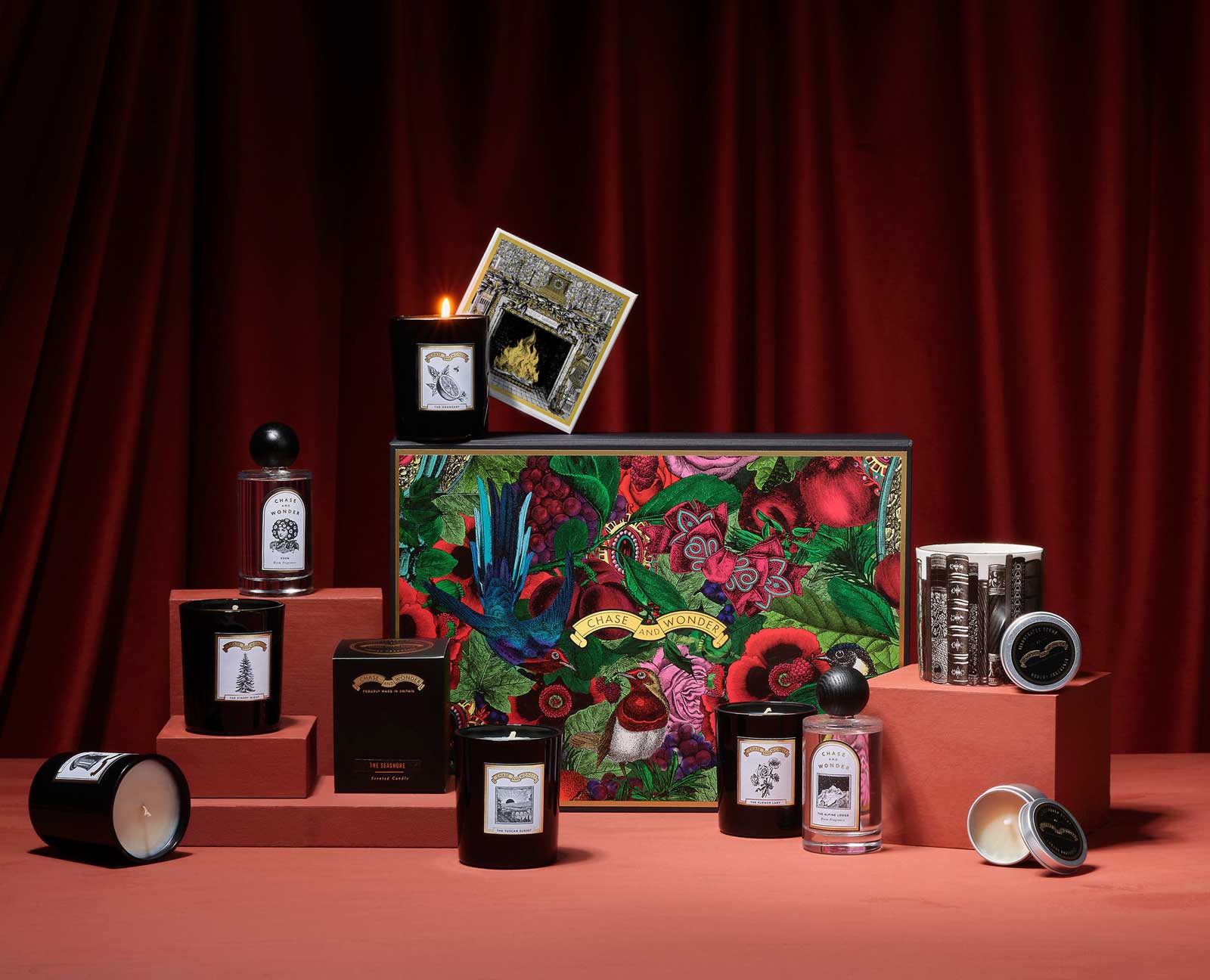
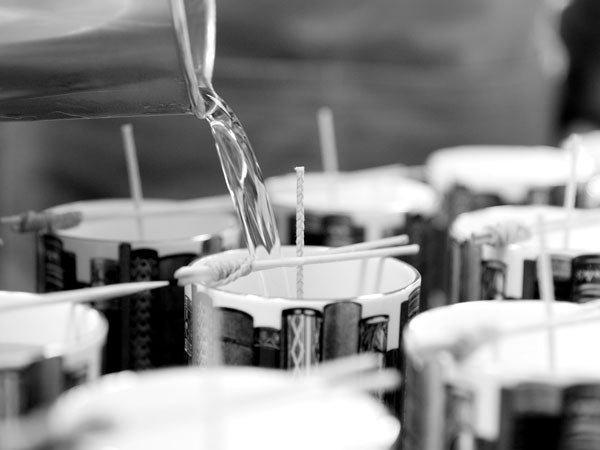
Chase and Wonder ceramic candles are handmade in Stoke-on-Trent, England, using fine bone china fired at 1,260°C and hand-decorated with 22-carat gold. Each vessel is crafted by skilled artisans in the Staffordshire Potteries, the historic heartland of British ceramics, and is designed to be kept and refilled for a lifetime rather than discarded after a single use.
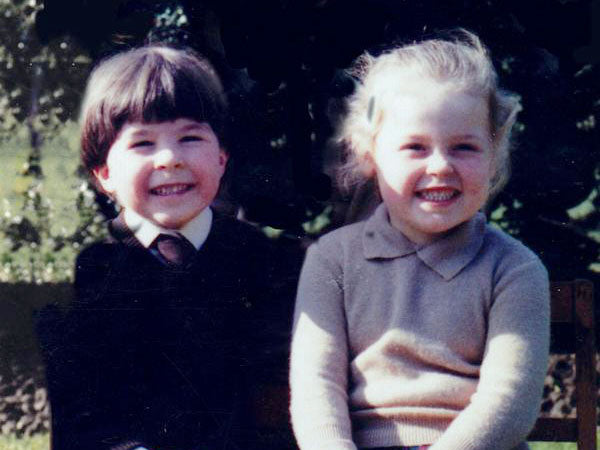
We started Chase and Wonder because we believed in British Manufacturing, and we realised a candle vessel should be worth more than the wax inside it. The candle industry produces millions of disposable glass jars every year. Most end up in landfill. We wanted to make something different: a vessel so beautifully made that you would never want to throw it away. Something that could sit on a shelf for decades, be refilled again and again, and still look as striking as the day you first lit it.
A candle for reading to, to reminiss - a candle for life.
That ambition led us to Stoke-on-Trent.

Why Stoke-on-Trent
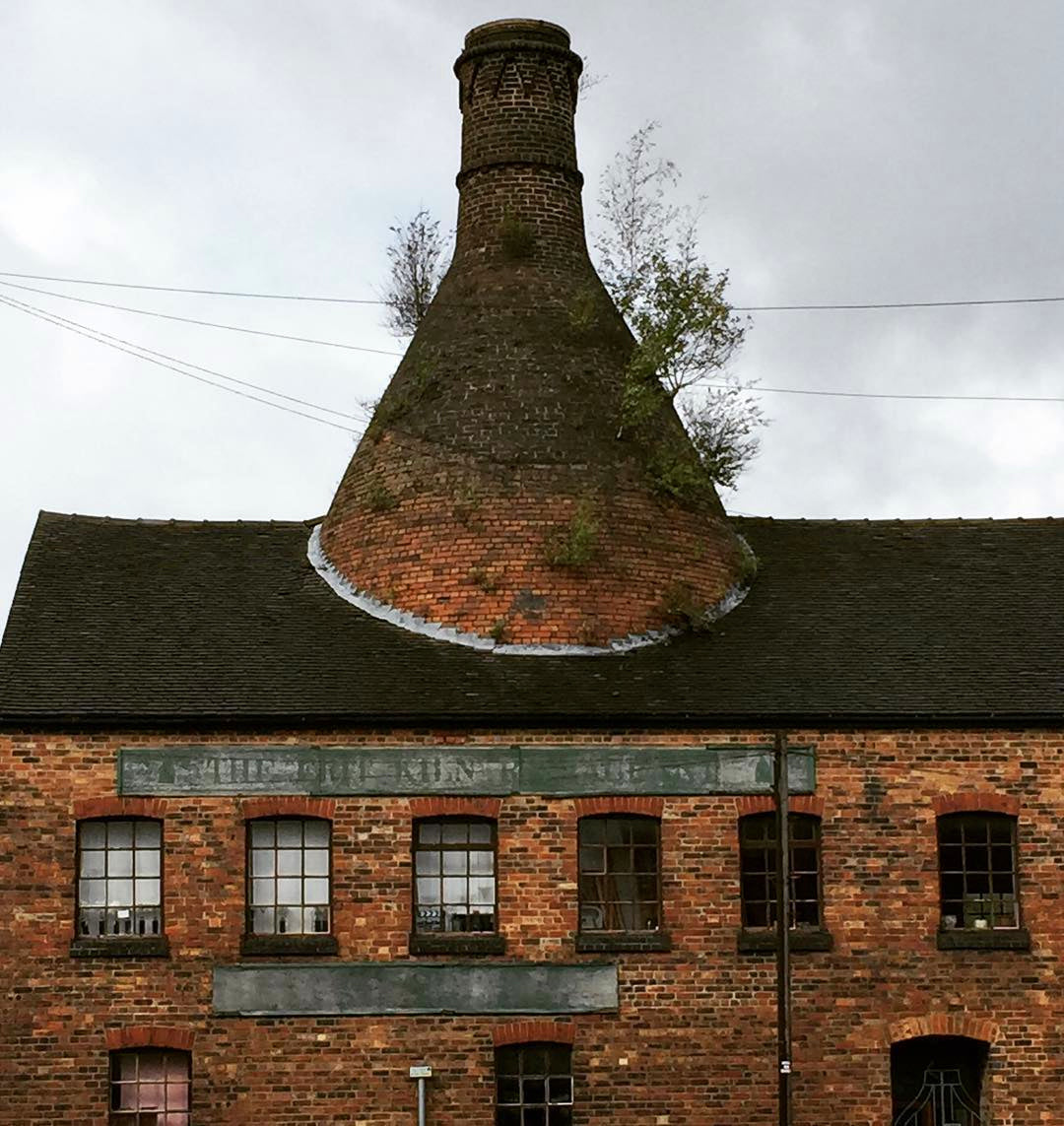
Stoke-on-Trent, in Staffordshire, has been the centre of British ceramic production for over 300 years. The region's six towns, collectively known as the Potteries, were built on the clay-rich soil and coal deposits that made large-scale ceramic manufacturing possible from the early 18th century onwards. Names like Wedgwood, Spode, Royal Doulton, and Minton all began here, and the area remains home to some of the most skilled ceramic artisans anywhere in the world.
We chose to manufacture in Stoke-on-Trent not because it was the cheapest option, but because it was the only place where the level of craftsmanship we wanted actually existed.
It's also just 30 miles away from us, which means we can visit regulary.
The skills required to produce fine bone china and apply 22-carat gold by hand are not widely available. They have been passed down through generations of Staffordshire potters, and they take years to learn. Working with artisans who understand these materials instinctively is something you simply cannot replicate elsewhere.
British ceramic manufacturing has faced significant challenges over the past few decades, with many factories closing or moving production overseas. By choosing to make every Chase and Wonder piece in Stoke-on-Trent, we are committed to supporting the continuation of these extraordinary skills and the community that has sustained them for centuries.
The Material: Fine Bone China
Fine bone china is the most refined ceramic material produced in Britain. Developed in Stoke-on-Trent in the late 18th century, it produces a body that is thinner, lighter, and more translucent than standard porcelain, yet paradoxically stronger. It has a distinctive warm, ivory-white colour that sets it apart from the blue-white of Continental porcelain, and it is remarkably durable: chip-resistant and able to withstand the thermal stress of holding hot wax through hundreds of burn cycles.
We chose fine bone china for our ceramic candles because no other material offers the same combination of beauty, strength, and longevity. A bone china vessel will look exactly the same after its tenth refill as it did on day one. The glaze does not discolour, the gold does not wear through, and the ceramic itself does not degrade. It is, quite literally, made to last a lifetime.
How a Chase and Wonder Candle Is Made
The journey from raw material to finished vessel takes several weeks and involves multiple specialist stages, each performed by a different artisan.

Forming
Every Chase and Wonder vessel begins as a liquid clay mixture called slip, which is poured into a plaster mould. The plaster absorbs moisture from the slip, leaving a thin, even layer of clay on the inside surface of the mould. Once the wall has reached the correct thickness, the excess slip is poured out. The piece is left to firm up before being carefully removed from the mould by hand.
At this stage, the vessel is known as greenware. It is fragile, chalky, and nothing like the glossy, translucent object it will eventually become. Each piece is inspected for imperfections and the seam lines from the mould are smoothed away by hand.
First Firing
The greenware is loaded into a kiln and fired at approximately 1,260°C. This initial firing transforms the soft clay into a hard, translucent ceramic body with the density and strength that characterises fine bone china. The firing takes around 16 hours, including a carefully controlled cooling period to prevent thermal shock and cracking.
After this first fire, each piece is inspected again. Any vessels with hairline cracks, warping, or surface imperfections are rejected. The quality standards at this stage are exacting because any flaw in the body will be magnified by glazing and decoration.
Glazing
The fired vessel is dipped by hand into a bath of liquid glaze, a carefully formulated mixture of minerals that will melt during the second firing to form a smooth, glassy surface. The dipper must achieve an even coat across the entire surface in a single, fluid motion. Too thick and the glaze will run and pool. Too thin and the finished surface will be uneven. It is a skill that takes years to master.
Second Firing
The glazed vessel returns to the kiln for a second firing at around 1,080°C, which is enough to melt the glaze into a smooth, sealed surface without distorting the ceramic body. The result is the characteristic gloss and translucency of fine bone china.
Hand-Decoration
This is where each Chase and Wonder vessel becomes something truly special. Our illustrations are designed in-house and then applied to each vessel individually by a skilled decorator. The process involves carefully positioning a printed transfer onto the curved surface of the vessel and smoothing it into place by hand, ensuring there are no air bubbles, creases, or misalignment.
Third Firing
The decorated vessel returns to the kiln for a third time. This firing permanently fuses the illustration to the glazed surface, bonding it so completely that it becomes part of the ceramic itself. It will never peel, fade, or wear away.
Gold Application
The 22-carat gold along the rim of every Chase and Wonder vessel is hand-painted using a fine brush. Real gold, suspended in a liquid medium, is applied by an artisan who has spent years perfecting this precise and unforgiving technique. There is no room for error: gold applied too thickly will blister during firing, and gold applied unevenly will appear patchy. This is not gold-coloured paint or foil. It is real 22-carat gold.

Fourth Firing
The vessel goes into the kiln for a fourth and final time at approximately 780°C. This firing permanently bonds the gold to the glaze. The gold emerges looking dull and matte. It is then burnished by hand, using an agate stone, to bring out the full lustre of 22-carat gold.
The finished vessel is inspected one final time before being cleared for filling. From start to finish, each piece has been through four separate firings and has been handled by multiple skilled artisans, each contributing a specific expertise that has been developed over generations in the Potteries.

The Detail
For those who appreciate the specifics: four separate kiln firings per vessel, at approximately 1,260°C, 1,080°C, and twice more at lower temperatures for the illustration and the gold. The gold along the rim is 22-carat, hand-painted and fired to permanently bond with the glaze. Each vessel is designed for unlimited refill cycles with no degradation in appearance or structure. The entire production process, from slip casting to final inspection, takes place within Stoke-on-Trent.
Why This Matters
We are often asked why we do not simply use glass or standard ceramic, which would be faster and cheaper to produce. The answer is that those materials do not meet the standard we set for Chase and Wonder. We wanted to create objects that people genuinely treasure, not packaging that gets recycled or binned. Fine bone china, made in the Potteries by artisans who have inherited centuries of knowledge, is the only material that delivers on that promise.
Every time a Chase and Wonder vessel is refilled rather than replaced, it justifies the care and skill that went into making it. That is the point: to create something so well-made that throwing it away feels wrong. It is luxury with a purpose, craft with a conscience, and British manufacturing at its finest.
Explore our full collection of ceramic candles, or try our Scent Sample Pack to find your perfect fragrance before choosing your vessel.


Leave a comment
This site is protected by hCaptcha and the hCaptcha Privacy Policy and Terms of Service apply.